

Dinner shouldn’t be this hard. Between rising grocery bills, food that goes to waste before you get around to cooking it, and the nightly scramble of what are we even eating tonight, putting a decent meal on the table has become a surprisingly expensive and complicated affair.
This guide breaks down the real cost of dinner in Australia, backed by the latest data, and looks at whether meal kits have quietly become the more affordable option.
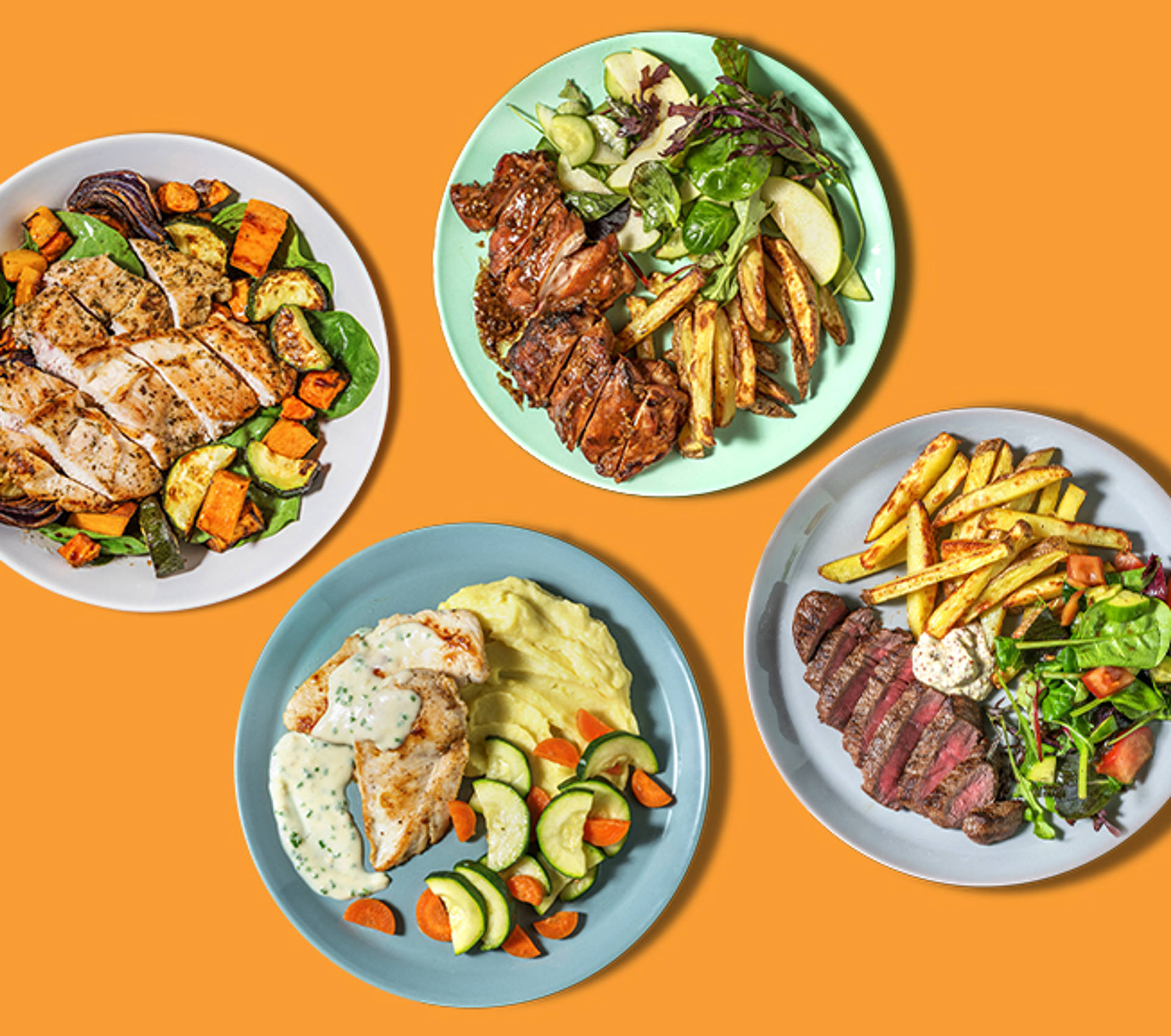
What Australians Are Actually Spending on Dinner
Groceries are now one of the biggest financial stressors for Australian households. According to Canstar Blue’s 2025 survey, the average household spends $178 per week on groceries, up 6% from 2024 and 11% from 2023. Finder’s January 2026 data puts the figure even higher at $207 per week, with Gen Y households spending a staggering $242.
Research from Compare the Market found that average monthly grocery spend is up $95 compared to a year ago, adding more than $1,000 to annual receipts. Over a quarter of Australians (25.9%) say groceries will be their most worrisome bill in 2025. The ACCC’s Supermarkets Inquiry confirmed that a typical grocery basket has risen more than 20% in five years, with staples like eggs up 47%, milk up 34%, and bread up 32% since 2019.
The PwC Voice of the Consumer Survey 2025 found that 74% of Australians now rank rising living costs as their top concern, with 55% feeling financially insecure. This isn’t just a statistic, it’s the reason people are standing in the supermarket aisle at 5:30 pm, trying to figure out how to feed the family without blowing the budget.
Australians are spending $1,000+ more on groceries per year compared to 2024
Source: Compare the Market, 2025
Source: Compare the Market, 2025
The Hidden Costs of Cooking From Scratch
The price tag on your grocery receipt is only part of the story. When you factor in food waste, impulse purchases, and the time you spend planning and shopping, the true cost of a home-cooked dinner is a lot higher than most people realise.
Food Waste: $1,500+ Per Year Down the Bin
The OzHarvest Half Eaten report (2025), which surveyed over 3,000 Australian households, found that families are throwing away more than $1,500 worth of food every year. The biggest culprits? Uneaten leftovers, vegetables like tomatoes and leafy greens, and herbs that wilt in the fridge before you get a chance to use them.
The report also found a clear link between meal planning and waste: 81% of low-waste households plan their meals, compared to just 28% of high-waste households. Under-35s are the worst offenders, wasting 113kg of food per year, more than 70% more than their parents’ generation.
When you buy a 500g bag of spinach because the recipe calls for a handful, the rest often ends up in the bin. That’s money you’ve already spent, quietly adding to the real cost of dinner.
Impulse Buys: The Supermarket Is Designed to Make You Overspend
The Resonate CX 2025 study found that in-store shopping leads to twice as many unplanned purchases as online shopping. Nearly a quarter of Australians (23%) admit they often make impulse buys in-store, compared to just 12% online. Eye-catching displays, end-of-aisle specials, and the psychology of “just in case” all contribute.
The same research found that 74% of Australians have changed their shopping behaviour in the past 12 months, shifting toward reduced non-essential spending and cheaper alternatives. But when you’re physically in the supermarket, those good intentions are harder to stick to.
Time: The Cost Nobody Counts
Most Australians spend 30 to 40 minutes each day just deciding what to cook, before any actual shopping or cooking begins. Add in a weekly supermarket trip (45 to 60 minutes including travel), and the time commitment for a week’s worth of dinners quickly adds up. For time-poor households, that’s a significant hidden cost.
How Meal Kits Cut Through the Dinner Dilemma
Meal kits were once seen as a premium convenience product. But as grocery prices have climbed, the maths has shifted. With pre-portioned ingredients, no food waste, and no impulse buys to derail your budget, affordable meal kits are now a genuine cost-saving option for Australian households.
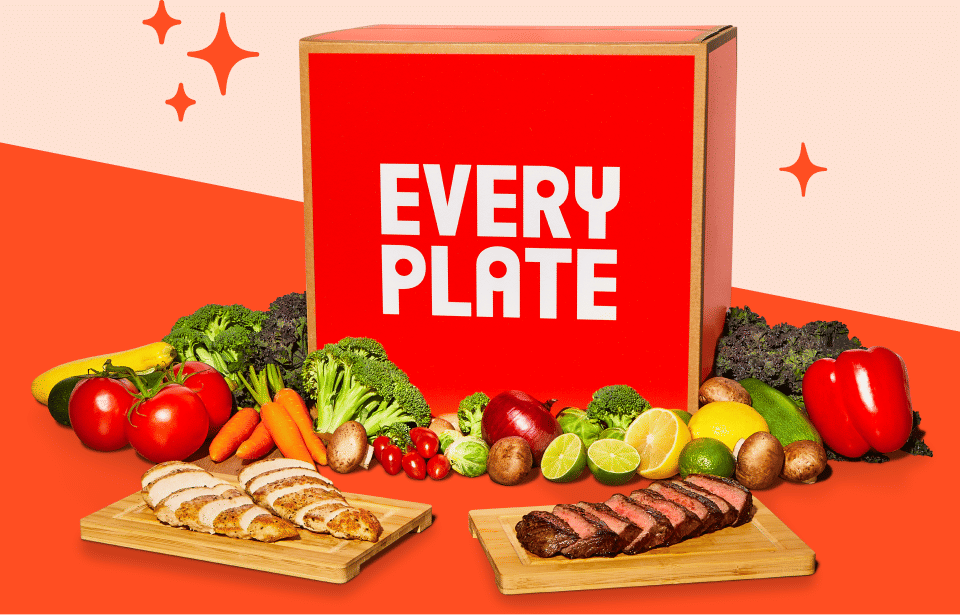
At EveryPlate, meals start from just $3.19 per plate. Every recipe is designed to be fuss-free, with just four steps and ready in as little as 15 minutes. Ingredients arrive pre-portioned, you get exactly what you need, nothing more. That means no leftover herbs going brown in the fridge, no half-used bags of rice taking up pantry space, and no unplanned spending at the checkout.
Explore the full range on our weekly menu.
Meal Kits vs Supermarket Shopping: A Side-by-Side Comparison
| Supermarket (from scratch) | EveryPlate Meal Kit | |||
|---|---|---|---|---|
| Cost per serve | $4.50 - $7.00+ | From $3.19 | ||
| Planning time | 30 - 40 min deciding + shopping list | Pick from 35+ weekly recipes online | ||
| Shopping time | 45 - 60 min (travel + in-store) | Delivered to your door | ||
| Cooking complexity | Variable (sourcing recipes, measuring) | 4 steps, ready in as little as 15 min | ||
| Ingredient waste | High - bulk packs, unused portions | Pre-portioned - minimal waste | ||
| Annual food waste cost | $1,500+ per household (OzHarvest 2025) | Near zero - exact portions provided | ||
| Impulse buy risk | 23% often impulse buy in-store | None - you choose meals online |
The supermarket cost-per-serve estimate is based on Numbeo’s April 2026 Australian food price data and ABS CPI food data (February 2026). It accounts for a basic home-cooked meal using meat, vegetables, and a carbohydrate base. The EveryPlate figure reflects published per-plate pricing for standard plans.
For a household of four eating five dinners a week, the difference is significant. At $3.19 per serve, that’s $63.80 per week with EveryPlate versus $90 - $140+ at the supermarket, before you factor in the $1,500+ annual food waste cost that meal kits effectively eliminate. See how it compares for your household with our cheap meals range.
Who Saves the Most by Switching to Meal Kits?
Meal kits aren’t a one-size-fits-all solution, but certain households stand to save the most by making the switch:
Families
Households of four or more have seen their grocery bills rise by 11% in the past year alone, according to Canstar Blue. Families also generate more food waste, particularly with fussy eaters leaving portions uneaten. Pre-portioned meal kits remove the guesswork and reduce waste to near zero. Check out our family meals for crowd-pleasing recipes the whole household can get behind.
Students and Young Adults
The OzHarvest report found that under-35s waste the most food of any age group. Combined with tighter budgets and less cooking experience, students and young adults benefit from the simplicity and portion control of meal kits. Meals from $3.19 per plate is hard to beat, even against two-minute noodles when you factor in nutrition. Explore our student meal plan for savings designed around your budget.
Busy Professionals
If you’re spending 30 to 40 minutes a day deciding what to cook, plus an hour each week at the supermarket, meal kits hand that time back to you. Four-step recipes ready in 15 minutes means dinner is sorted without the mental load of planning, shopping, and recipe-hunting.
Flexitarian and Vegetarian Households
Eating more plant-based meals is one of the most effective ways to cut your grocery bill, and meal kits make it easy to incorporate variety without buying specialty ingredients you’ll only use once. Browse our flexitarian meals and vegetarian meals for options that keep things interesting without the premium price tag.
5 Ways to Spend Less on Dinner This Week
Whether or not you try a meal kit, these practical tips can help you cut the cost of dinner starting today:
Plan before you shop. Households that meal plan waste significantly less food. Even a rough plan for five weeknight dinners saves money and reduces last-minute takeaway orders.
Stop buying ingredients you’ll only use once. That jar of tahini or bunch of fresh dill might complete a recipe, but if it sits in the fridge unused for two weeks, it’s wasted money. Meal kits solve this by sending you exactly what you need.
Shop online to avoid impulse buys. In-store shopping leads to twice as many unplanned purchases. If you do shop in-store, stick to your list.
Cook in batches. Double a recipe and freeze half. It’s one of the simplest ways to get more meals out of your grocery spend.
Try a meal kit for your busiest nights. You don’t have to go all-in. Even replacing two or three supermarket dinners with a meal kit each week can save you time, money, and the stress of planning.
The Bottom Line
Dinner in Australia costs more than it should. Between grocery inflation, food waste, impulse purchases, and the sheer time it takes to plan, shop, and cook, the nightly meal has become an expensive and complicated ritual. Affordable meal kits offer a simpler alternative: less waste, less stress, less money out of your pocket.
At EveryPlate, we exist to champion good, everyday dinners. No fuss, no fancy ingredients you’ll never use again, no surprises at the checkout. Just honest meals starting from $3.19 per plate, delivered to your door. See how it works or browse this week’s menu and plans to get stuck in.
